Przejdź do głównej zawartości

Next-Gen AI

Failure Detection Private Beta

AI Failure Detection Beta

52 posty z tagiem "3D Printer Remote Access"

Wyświetl wszystkie tagi

Oprogramowanie Klipper zbiera ostatnio mnóstwo pochwał za szeroki zakres funkcji i doskonałą wydajność. Oferuje również szereg opcji konfiguracji, które pozwalają skalibrować drukarkę i zapewnić wysoką jakość wydruków 3D.

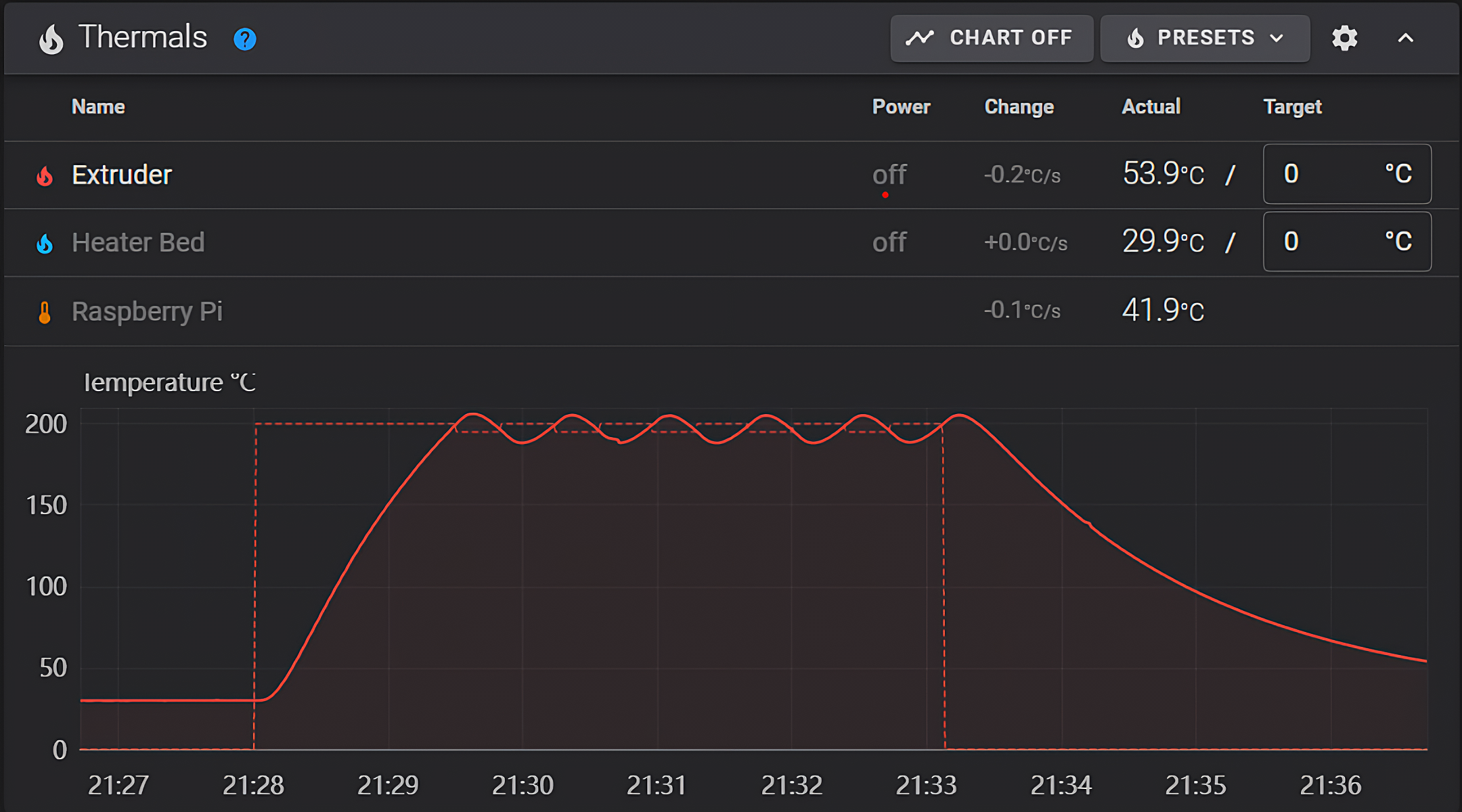
Jednym z kluczowych parametrów, które dziś skonfigurujemy, jest dostrojenie regulatora PID drukarki 3D. Prawidłowe ustawienie regulatora PID gwarantuje, że głowica drukująca i stół roboczy będą nagrzewane w najkrótszym możliwym czasie i będą utrzymywały zadaną temperaturę z dużą precyzją.

Ten artykuł przeprowadzi Cię przez proces kalibracji PID dla Twojej drukarki 3D za pomocą programu Klipper. Pomoże Ci lepiej zrozumieć te ustawienia PID i rozwiązać wszelkie problemy z nagrzewaniem się urządzenia.

Zacznijmy od dostrojenia tych łóżek i gorących końcówek!

Introduction

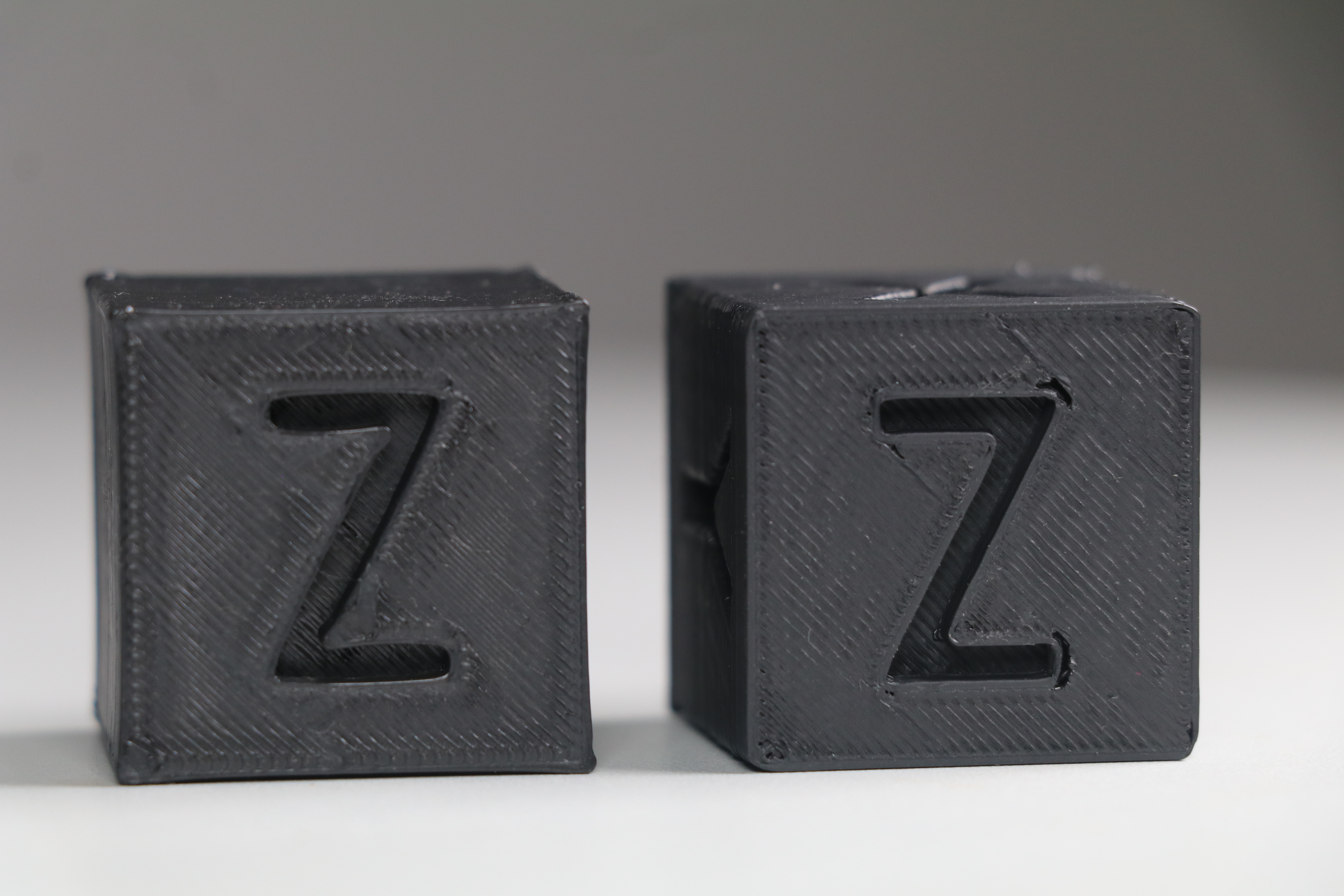
Pressure Advance in Klipper is designed to compensate for the side effects of instant speed changes that occur during fast print speeds. It reduces stringing, gives your prints sharp corners, and delivers a high print quality even at speeds above 100 mm/s.

But tuning pressure advance in Klipper and understanding its functioning can be puzzling to new Klipper users. So, in this article, we’ve gathered all the information you need to know about Pressure advance and set it up in Klipper. It’ll help you understand the benefits of this feature and how you can use it to sharpen up your 3D prints.

Let’s Advance!

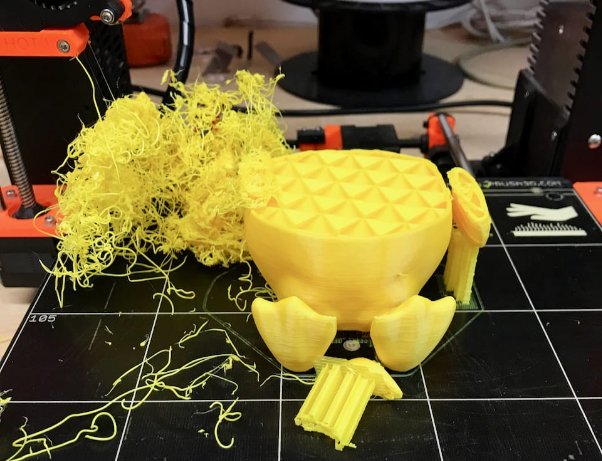
3D Printer Failures/Courtesy: Fabbaloo

If you are new to 3D printing, we are sure you have encountered numerous print failures. Thankfully, this is not something new or unique. It happens to even the most seasoned users. But obviously everyone wishes to improve their 3D printing skills and so knowledge of 3D printer failure detection becomes essential, and this is exactly what we will cover in this article.

3D printing and failures

Because 3D printing is rapidly becoming popular in a variety of industries, it is critical that every student, as well as manufacturing and design professionals, understand the technology. Though you may not need to understand its complexities, having a working knowledge will help you in your career.

3D printing is a manufacturing process that converts a digital CAD file into a three-dimensional physical model by layering thin layers of material one on top of the other. This is also known as additive manufacturing because material is added rather than removed, as is the case with most conventional technologies.

However, 3D printing is still in its early stages and thus prone to failure. DIY and desktop 3D printing, in particular, frequently fails, and users must use a trial-and-error approach to eliminate or reduce failed prints.

What is OctoPrint and why would you want it?

OctoPrint Bed Level Visualizer plugin display screen/Courtesy: OctoPrint

We are all aware of how critical, yet difficult, it is to level a 3D printer bed. All of your prints will fail if you don't have a level bed, wasting your time, materials, and money. Even having an auto-bed leveling feature is not always sufficient, and your prints may still fail. To solve this issue, OctoPrint's Bed Level Visualizer plugin is the only tool you need to easily level your print bed.

To help you understand this useful OctoPrint plugin, we've written a complete guide on the Bed Level Visualizer to help you set it up quickly and eliminate your bed leveling issues.

What is the OctoPrint Bed Level Visualizer Plugin?

Bed level visualizer is a useful OctoPrint plugin that converts the bed topography report into a comprehensive 3D map to show the varying elevation (height) across a 3D printer bed, assisting users in leveling the same. This plugin also assists you in determining whether your bed is warped or simply tilted. Thus, the bed is leveled by carefully tightening or loosening the leveling screws at peaks and valleys respectively, to make it as flat as possible for a successful print.

The Bed level visualizer plugin was created by jneilliii (GitHub page). This plugin was installed on at least 35.84k instances in the previous month (August 2022), with at least 759 new installations in the previous week (at the time of writing this article).

The core of 3D printing is a 3D model. 3D modeling for 3D printing is important as all 3D prints start with a digital CAD model that is "sliced" in a slicing software which the 3D printer prints. Being an integral part of 3D printing, having a working knowledge of 3D modeling and the various tools becomes crucial.

In this article, we'll go over the fundamentals of 3D modeling for 3D printing, as well as the distinction between inorganic and organic 3D models, and the popular software for each type.

We've included 3D modeling software for beginners for those on a low budget, as well as a few high-end options for professionals.

But first, to make sure we're all on the same page, let's go through the fundamentals of 3D printing.

How does 3D Printing work?

A CAD design (left screen), slicing software (right), and the finished print / Courtesy: Ultimaker

3D printing, also known as additive manufacturing, is a method of creating three-dimensional objects layer by layer using a computer-aided design, or CAD. 3D printing builds objects by layering materials such as polymers, composites, or biomaterials that vary in shape and size, as well as rigidity and color.

Even though 3D printing isn't new, there are some who will benefit from our guide to the most common 3D printing terms for beginners.

Regardless of the 3D printing technology being used, it all starts with a 3D CAD model. In this article, we will go through the fundamentals of 3D modeling and its different types, with a focus on 3D printing.

To further help you in selecting the best CAD software for your 3D models, we will also list out a number of 3D modeling software suitable for both beginner and advanced users.

So let's jump in!

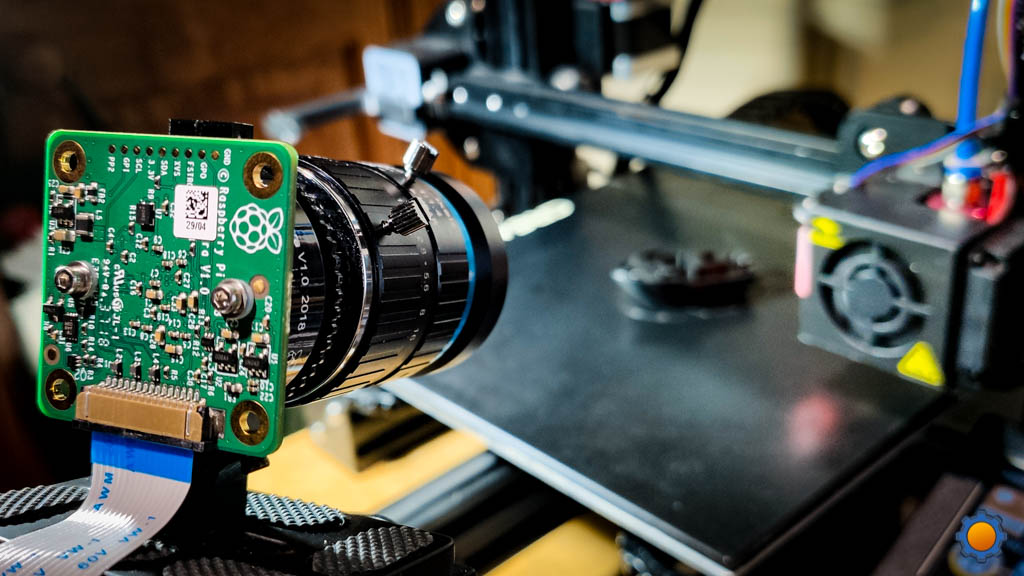
Klipper to jedno z niewielu oprogramowań do druku 3D, które natywnie obsługuje zewnętrzną kamerę do monitorowania drukarki 3D. Interfejs sieciowy Klippera ułatwia podłączenie kamery do Raspberry Pi i monitorowanie postępu drukowania.

Klipper to jednak stosunkowo nowe oprogramowanie układowe z ograniczonymi zasobami i instrukcjami szczegółowo opisującymi jego różne funkcje. Jako nowy użytkownik lub początkujący, łatwo pogubić się w instalacji i konfiguracji kamery w drukarce 3D Klipper.

Ten artykuł ma na celu ułatwienie Ci tego procesu i pomoc w konfiguracji kamery w drukarce 3D podłączonej do Klippera. Czytaj dalej, aby dowiedzieć się więcej o procedurze konfiguracji kamery w Klipperze i o tym, jak kamera może usprawnić Twój proces drukowania 3D.

Wstęp

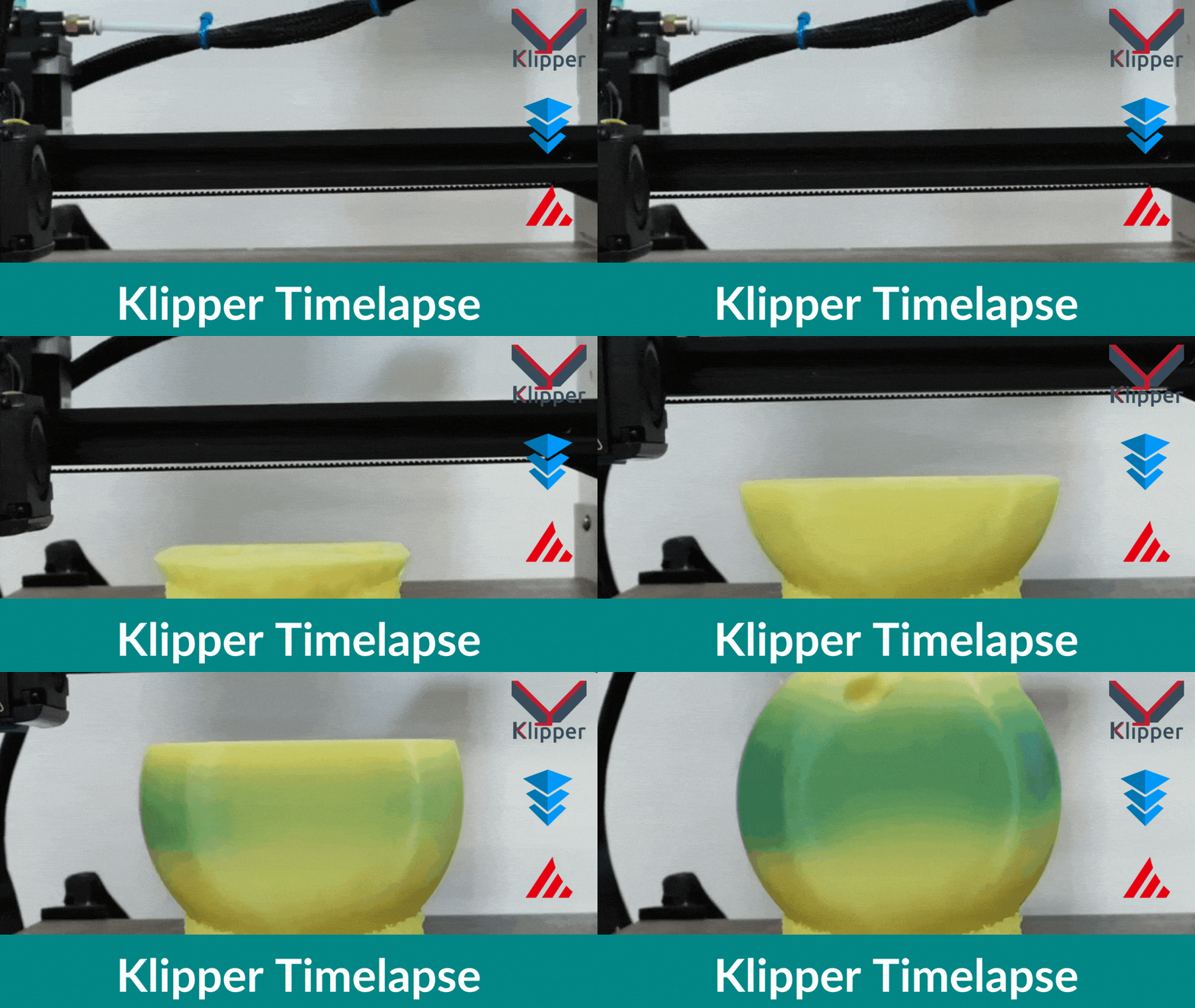
Dzięki funkcji timelapse w aplikacji Klipper możesz nagrywać cały proces drukowania 3D i udostępniać jego fragmenty w mediach społecznościowych. Filmy te stanowią również doskonałe narzędzie do analizy błędów drukowania i określania przyczyn ich wystąpienia.

Mimo swojej użyteczności, tworzenie filmów poklatkowych w Klipperze może być trudne dla wielu użytkowników. I choć konfiguracja jest stosunkowo prosta, początkowa konfiguracja może łatwo wprowadzić w zakłopotanie początkujących użytkowników Klippera.

W tym artykule uprościmy ten proces. Omówimy całą procedurę krok po kroku i skonfigurujemy funkcję timelapse dla Twojej instancji Klippera. Po przeczytaniu tego przewodnika będziesz w stanie nagrywać perfekcyjne filmy timelapse swoich wydruków 3D i udostępniać je w swoim kręgu znajomych.

Zaczynajmy strzelać.

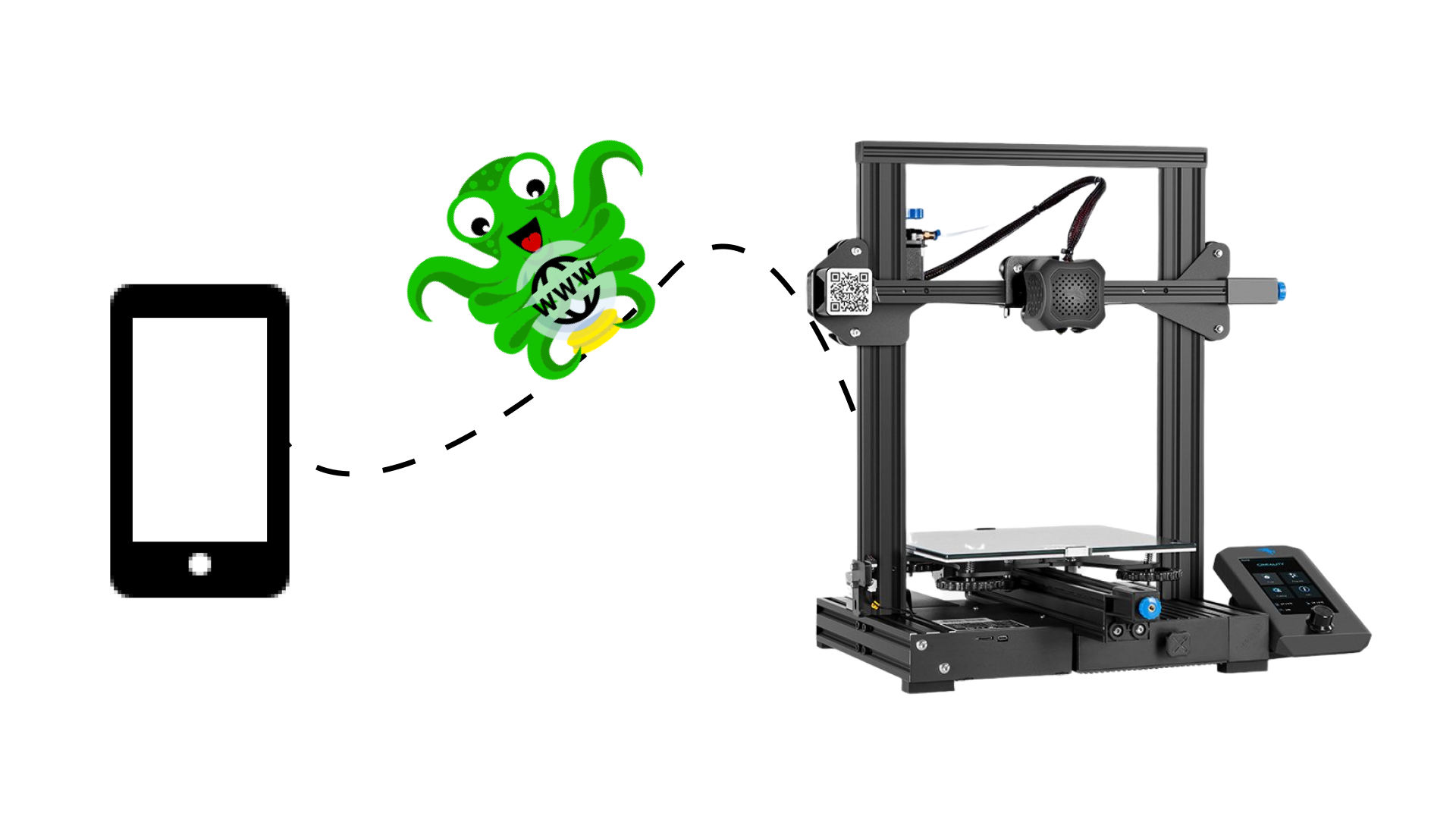
3D printing is an evolving technology and engineers are constantly upgrading it to eliminate any primal issues in it. Till recently it was common to tether your 3D printer to your computer to run print jobs. But now, you can easily add WiFi to your 3D printer.

Adding WiFi to your 3D printer gives you an unprecedented advantage and we will be discussing the same in this article and how to set it up with ease.

The Basics of 3D Printing?

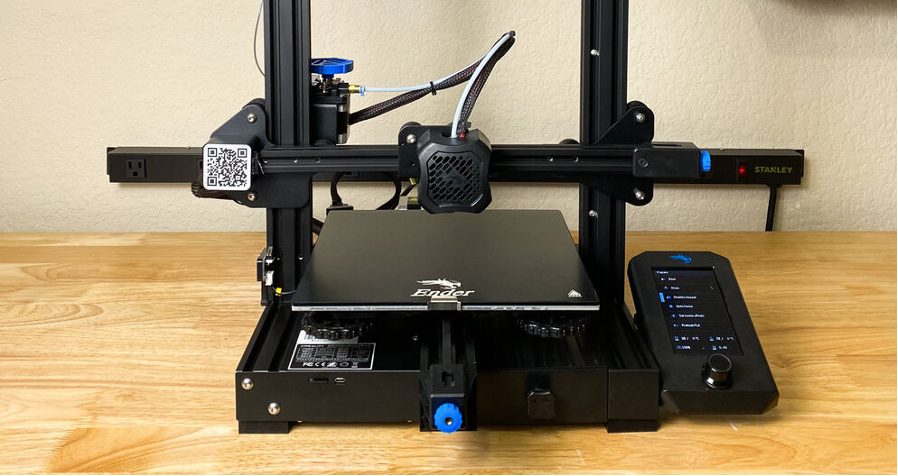
Creality Ender 3 FDM 3D printer/Courtesy: Creality

3D printing is a manufacturing technology that creates three-dimensional objects by adding layers of material one on top of the other until the entire object is formed. Because it produces objects in an additive manner, the process is also known as additive manufacturing.

In comparison to traditional manufacturing methods, this process eliminates the need for tooling and reduces material waste.

The entire ecosystem of the 3D printing process can be used to explain how it works. Here's a quick rundown:

  • Software: 3D printing begins with design software, which is used to create a 3D model. After that, the 3D model is sliced in a slicing software to generate a G-code file.
  • Hardware: As the 3D printer can only read G-code files, the file is uploaded to the printer, which prints the designed object.
  • Materials: Materials for 3D printing include filaments, resins, polymer or metal powders, and metal wires.
  • Post-processing: After the 3D printer prints the object, the part usually needs to go through some sort of post-processing stage, such as support structure removal, sanding, acetone vaporing, UV curing, washing, coloring, dyeing, Hot Isostatic Pressing annealing, and so on.

Introduction

Klipper is an upcoming and popular 3D printing firmware that's quickly becoming the standard in high-speed 3D printing. Its extensive feature set, vibrant community, and continuous development make it the go-to option for several new users and professionals.

Yet, Klipper is still in its nascent stages, and there's little information available on how to get the most out of the firmware. It causes new users to limit themselves to the basic functionalities and miss out on some valuable features of the Klipper firmware.

In this article, we'll go over some of the useful tips and tricks you can use with your Klipper 3D printer to get the most out of it. It'll help you use Klipper in the best way possible and improve your 3D printing experience.

Let's get started with some tips and tricks to optimize your klipping experience.

One of the first things many makers to to improve their experience after buying a 3D printer is install Octoprint. And why not? It's one of the best upgrades you can get for your 3D printer because it lets you control and monitor everything about your 3D printer and print jobs right from your browser.

OctoPrint, however, only works on your local network by default, which could limit its use. And let's face it, sitting through hours of print time isn't something most of us look forward to. And, while life comes in the way and we have to travel, we can certainly do better than worrying about whether our print is on track or whether it has encountered any issues.

And simply being notified of an issue is frustratingly useless. You don't want to be a bystander when something goes wrong with your 3D prints. Instead, you want to be able to take the steps needed from wherever you are to make sure your 3D printing jobs stay on track.

Accessing OctoPrint Away From Home

When you are away from home, you can access OctoPrint using a variety of methods; the easiest being with the use of OctoPrint Remote Access plugins. This method is ideal for people who aren't technical savvy and want a simple and quick setup process. However, you can also use other methods like direct access, port forwarding, or VPN and to know more about these techniques, you can read our guide.

Over the years, developers have created numerous plugins that allow OctoPrint Remote Access. This, however, makes it difficult for new users to choose the right plugin, one that is both simple to use and feature-rich.

But don't worry, we've got you covered with a list of the best OctoPrint remote access plugins so you can access OctoPrint and your 3D printer from anywhere!