Ga naar hoofdinhoud

Next-Gen AI

Failure Detection Private Beta

AI Failure Detection Beta

5 berichten getagd met "3D print"

Laat alle tags zien

Slicers can make or break your 3D print - quite literally. Over time, there have been many slicers, but two have remained favorites for the 3D printing community—Orca and Prusa. 

What happens when you have to choose between these two slicers? Let’s dive straight into it the right way!

What Is a Slicer?

3D printing works layer by layer. Each layer is printed on top of another, and a 3D printing slicer converts your 3D part into 2D layers for the printer to follow and print.

A slicer also sends numerical code which positions the extruder, adjusts layer height, printing parameters, and supports. This makes the choice of slicer important, and switching to a new slicer is often a worthwhile upgrade.

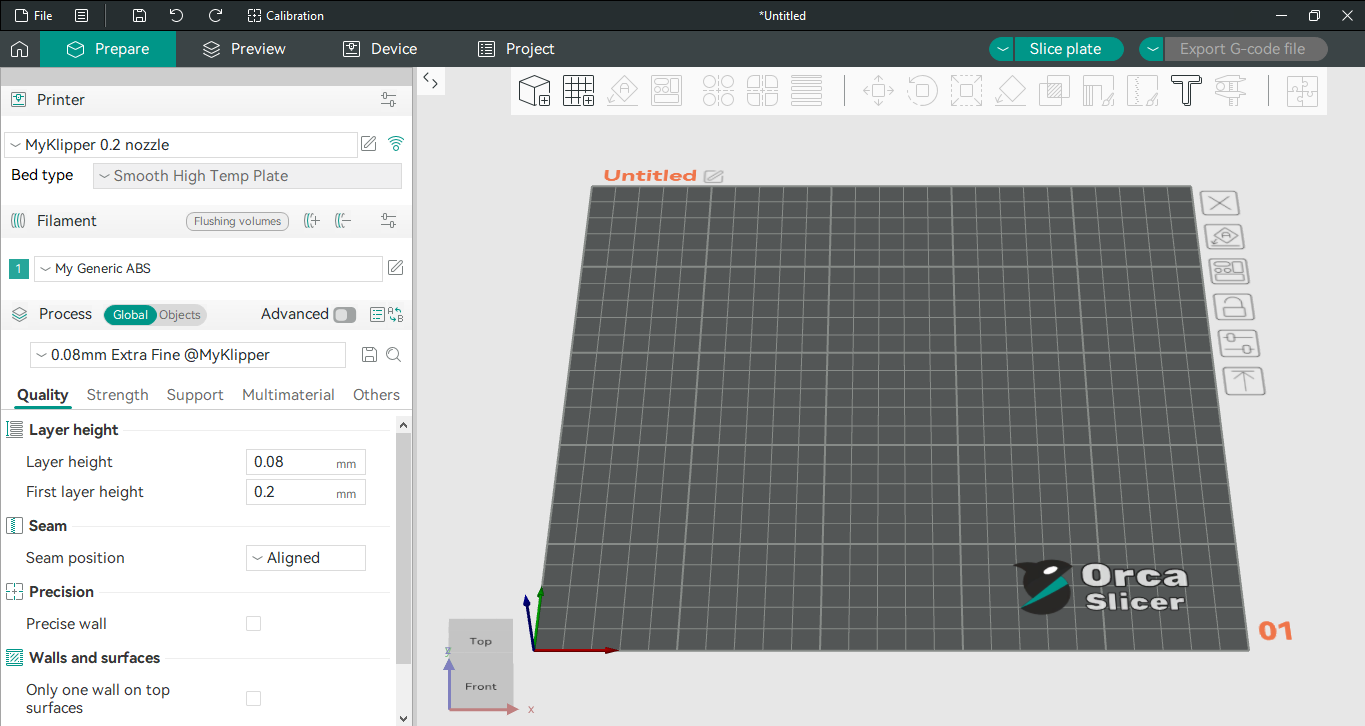
Orca slicer ui image with side bar and 3D viewer

Orca slicer is based on Bambu Studio (slicer for Bambu lab printers) and gives the best of both worlds. It’s an enhanced version of Bambu studio based on Prusa slicer with a more user-friendly interface, wide support for printers and regular updates.
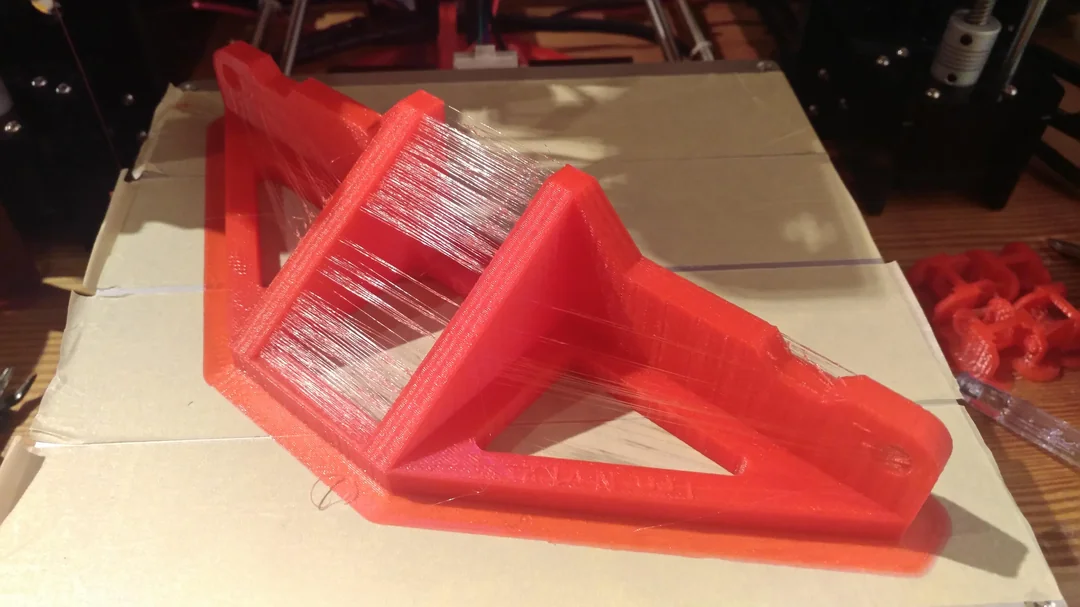
Stringing can be a very frustrating print problem to troubleshoot. It can depend a lot on the geometry of your print; some models may have problems with stringing while others may not even if you slice using the same settings. In this article, we'll go over the causes of strining, and what you can do about it.

Lots of Stringing

If you've ever done any metal machining, you already know that rigidly attaching your stock material to the machine is one of the most important steps in the process. In 3D printing, this is also true. Rigidly attaching the base of your part to the print bed, also known as bed adhesion, is one of the most critical parts of the printing process.

When this fails, it can be difficult and frustrating to debug. The reasons why bed adhesion fails are sometimes not obvious and can be finnicky to reproduce and rectify.

Bed Adhesion Failure

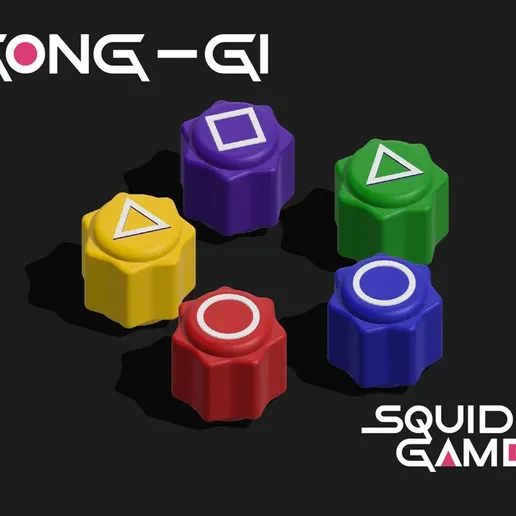
Season Two of the popular Netflix show Squid Game recently introduced international audiences to the Korean game of Gonggi: a fun, simple game similar to the classic American schoolyard game Jacks. The game involves throwing stones in the air, but the stones are often substituted for colorful plastic pieces - plastic pieces that could be made using a 3D printer! In this post, we'll walk you through the basic rules of the game, as well as how to 3D print your own set of Gonggi stones.

How to play

At it's core, the game consists of throwing one stone into the air and picking up varying amounts of other stones off a surface. At level one, the player repeatedly throws a stone into the air, picking up a single stone off the surface before catching the thrown stone. At level two, the player does this with two stones per throw. This continues until level four, at which point the maximum number of stones is reached. At level five, the player throws the stones into the air and catches them on the back of their hand, often performing tricks like clapping their hands before catching the thrown stones. Early versions of this game used actual stones, but modern players use plastic sets instead.

For more variations on this game, see here.

Gonggi by PIETROMULLER on Cults3D

by PietroMuller

Since this game was featured in Squid Game, many users have created model sets that match the aesthetic of the pieces shown in the show. This design is great because, since the symbols on top are raised, users without multi-material support can swap their colored filament for white to get the desired symbol contrast.

Inleiding

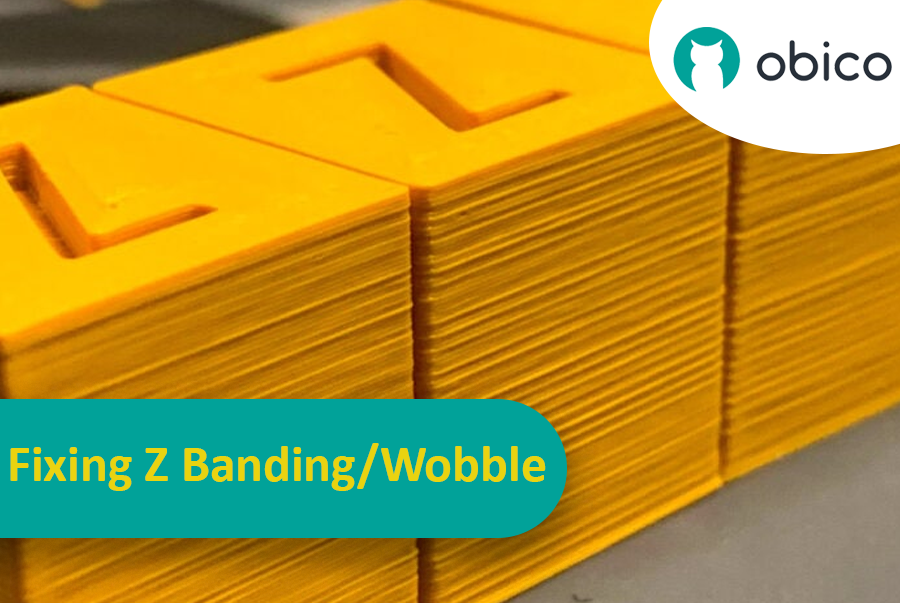
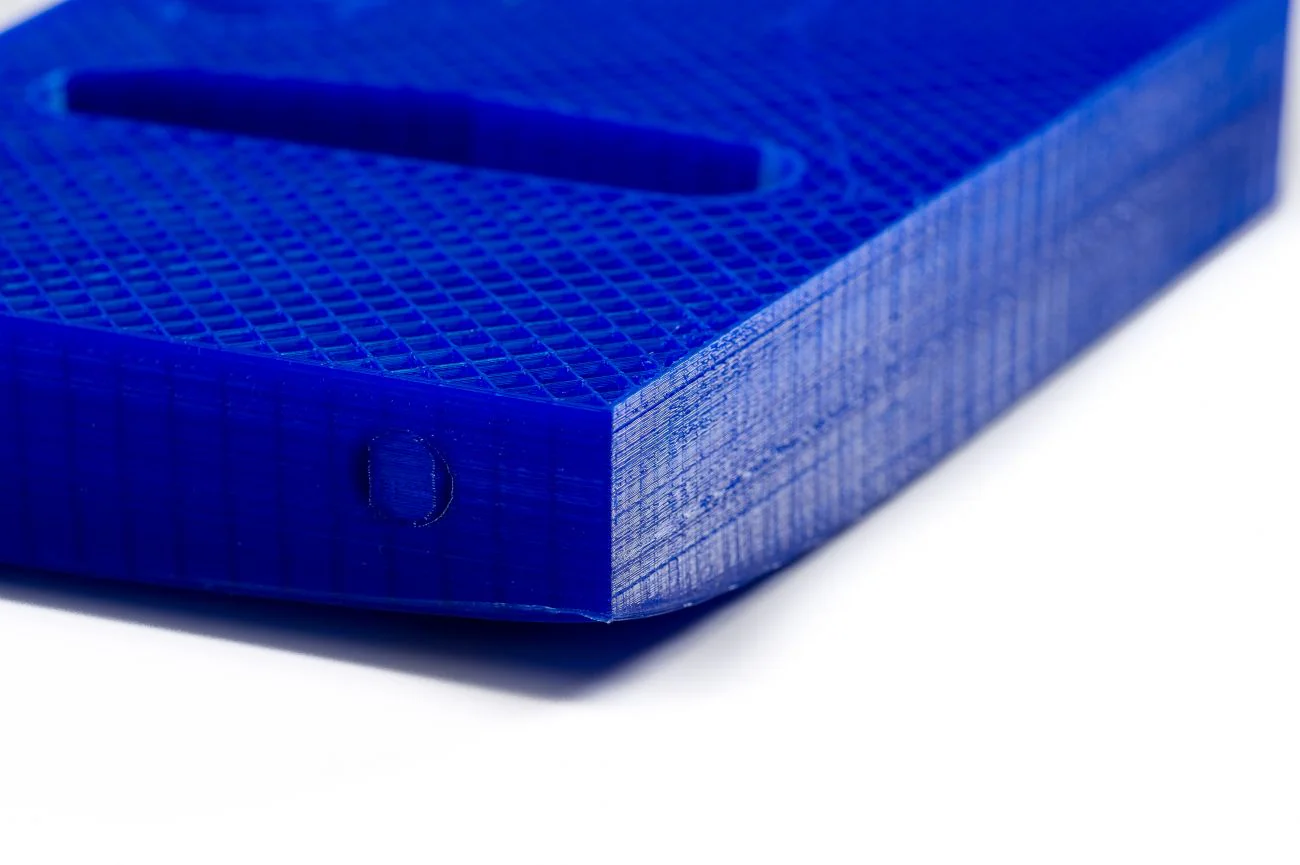
Stel je voor dat je uren hebt gewacht tot een 3D-print klaar is, om er vervolgens achter te komen dat er onverwachte en ongewenste strepen of lijnen overheen lopen. Dit probleem, bekend als Z-banding, is een veelvoorkomend probleem bij 3D-printen. Het is alsof je een rechte lijn probeert te tekenen, maar je liniaal steeds wegglijdt, waardoor je een gekartelde lijn krijgt in plaats van een gladde. Z-banding kan ervoor zorgen dat je 3D-geprinte objecten er gestreept uitzien in plaats van een glad, egaal oppervlak te hebben.

Het verhelpen van Z-banding/wobbeling: een uitgebreide handleiding

Maar waarom zouden we dit moeten oplossen? Nou, deze lijnen zijn niet alleen een cosmetisch probleem. Ze kunnen je 3D-geprinte objecten zwakker en minder functioneel maken. Zie het als het bouwen van een toren met blokken; als de blokken niet goed op elkaar aansluiten, zal de toren niet zo stevig zijn. Daarom is het belangrijk voor iedereen die een 3D-printer gebruikt, of je nu een hobbyist of een professional bent, om te begrijpen hoe je dit probleem kunt aanpakken. Deze handleiding helpt je daarbij, zodat die frustrerende lijnen tot het verleden behoren en je de beste resultaten behaalt met je 3D-printprojecten.